Embracing Winter: A Guide to Open Water Swimming
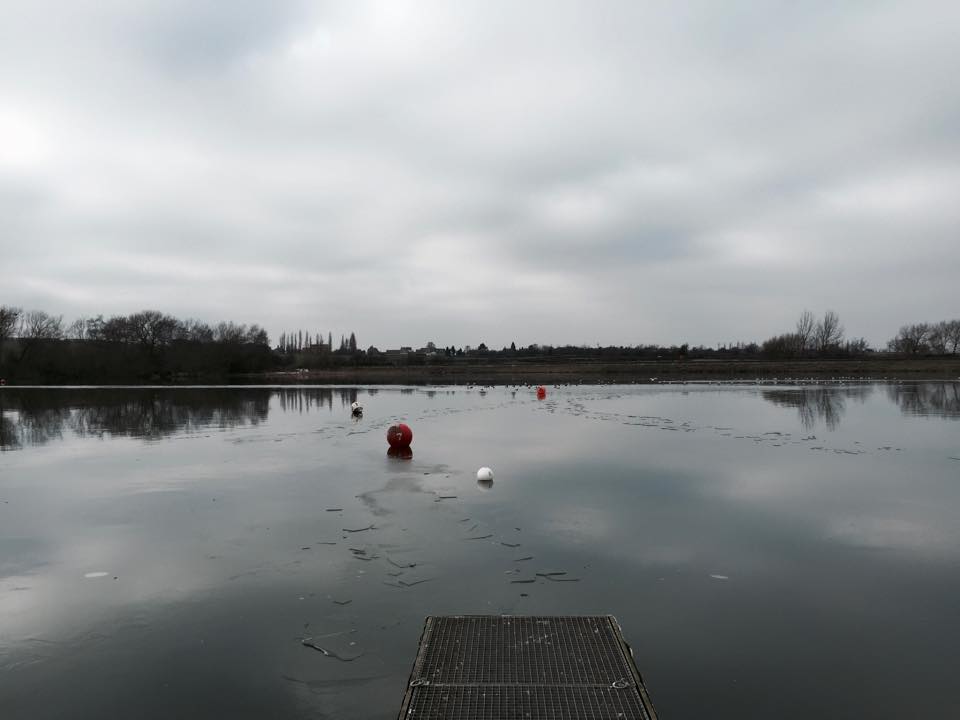
December 1, 2025 1:43 pmWinter open water swimming has surged in popularity across the UK, and for good reason. As temperatures drop, the surface of Harthill Reservoir becomes quieter, calmer, and for those who are prepared, an incredibly rewarding place to swim. At Yorkshire Outdoor Swimmers (YOS), we support cold-water swimmers through the winter months with safe, structured, community-led sessions.
If you’re thinking of continuing your swimming journey through the colder season, here’s everything you need to know: how to prepare, essential safety principles, the science behind cold-water immersion, and why Harthill is the perfect place to experience it.
Why Swim Through the Winter?
Cold-water immersion isn’t just an exhilarating experience, it offers physical, mental, and emotional benefits:
Physical Benefits
- Improved circulation
- Boosted immune function
- Reduced inflammation and muscle soreness
- Increased metabolism
Mental & Emotional Benefits
- Better mood and reduced stress
- Sharper focus and mental clarity
- Improved sleep
- A sense of achievement and resilience
Winter swimming gives you a unique connection to nature and a strong sense of community with others who brave the cold alongside you.
Understanding the Cold: What Happens to Your Body
Cold water below 10°C creates strong physiological responses. Knowing what to expect helps you stay safe and confident.
Cold Water Shock
This is your body’s involuntary reaction in the first 60–90 seconds:
- Gasp reflex
- Rapid breathing or hyperventilation
- Spike in heart rate and blood pressure
- Loss of coordination
How to manage it:
Enter slowly, control your breathing, and allow 60–90 seconds for your body to settle before you start swimming.
Swim Failure
After several minutes in cold water, your limbs may start to lose power due to reduced blood flow.
You may experience:
- Weak or stiff arms and legs
- Difficulty coordinating movements
- Clumsy or slowed swimming
This is why winter swims must be short and close to shore.
Afterdrop
After you exit the water, your core temperature can continue to fall as cold blood from your extremities returns to your core.
Key symptoms:
- Intense shivering
- Feeling suddenly much colder
- Fatigue or nausea
Management:
Layer up quickly, move gently, and warm up gradually, avoid immediate hot showers as they can worsen afterdrop.
Preparing for a Winter Swim
Success in winter comes from preparation, both physical and practical.
1. Stay Acclimatised
Regular, weekly swimming is the safest way to adapt. Irregular swimmers often feel the cold more sharply.
If you’re booking a winter session with YOS, you’ll need to confirm that you:
- Have winter swimming experience, or
- Have swum in cold open water within the last 2 weeks
This ensures all swimmers are safely acclimatised.
2. Gear Up
While some choose “skins” (no wetsuit), winter water temperatures are challenging. Most swimmers use some combination of:
- Neoprene gloves
- Neoprene socks or boots
- Thermal cap (neoprene or double hat)
- Wetsuit (optional but recommended for beginners)
- Tow float (great for visibility and optional support)
For after your swim:
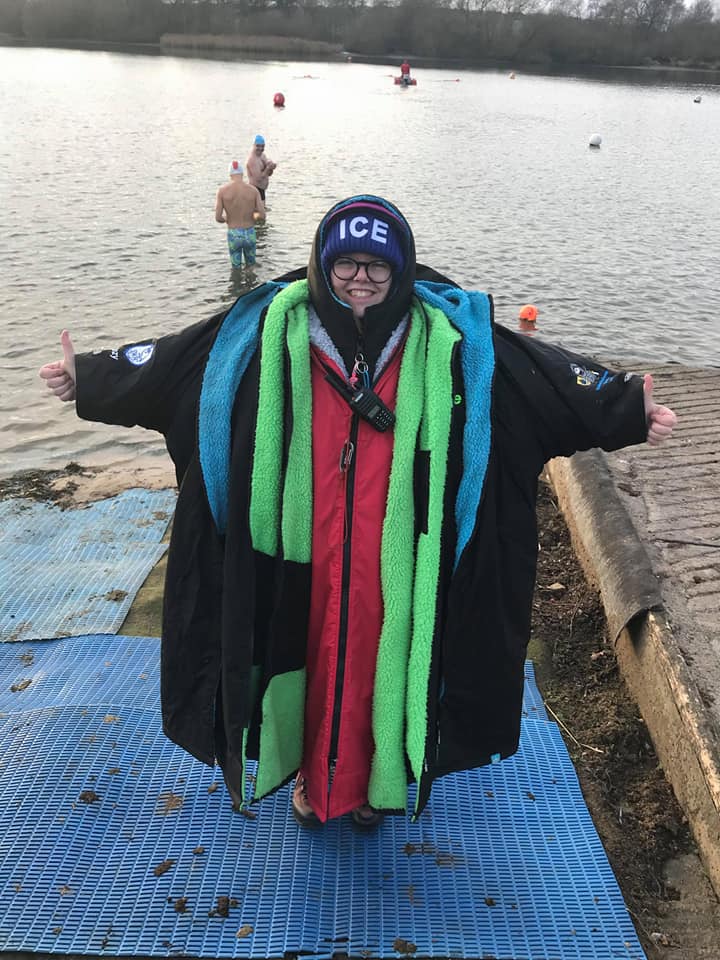
- Dry robe or insulated changing coat
- Woolly hat and gloves
- Warm layers (plenty!)
- Flask with a hot drink
- Spare thick socks
- Hot water bottle
Best Practices for Safe Winter Swimming
At Yorkshire Outdoor Swimmers, we follow simple but vital winter guidelines:
Keep Swims Short
In cold water, it’s not about distance, it’s about consistency.
Aim for:
- Regular short dips
- Gradual exposure
- Staying well within your limits
Swimmers often exit wanting “5 minutes more,” not wishing they’d got out 5 minutes earlier.
Listen to Your Body
Your body’s reaction can vary daily depending on sleep, diet, stress, or illness.
Leave your ego on land, safety always comes first.
Swim With Safety Cover
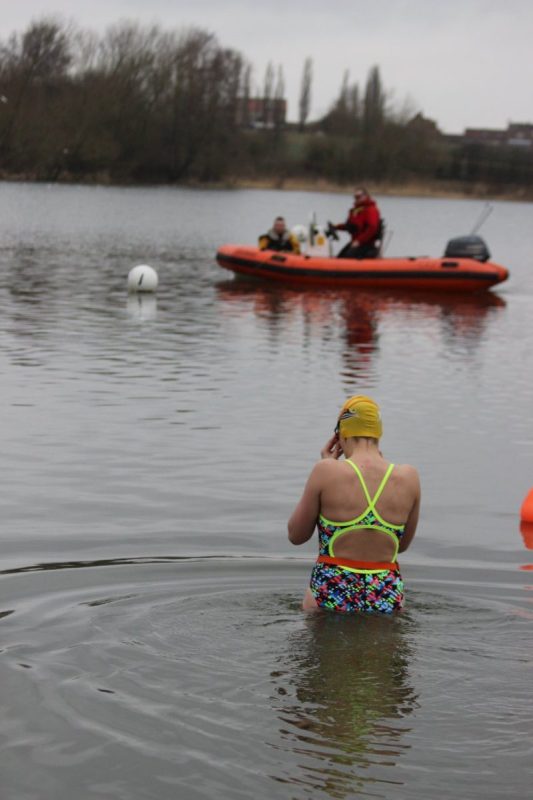
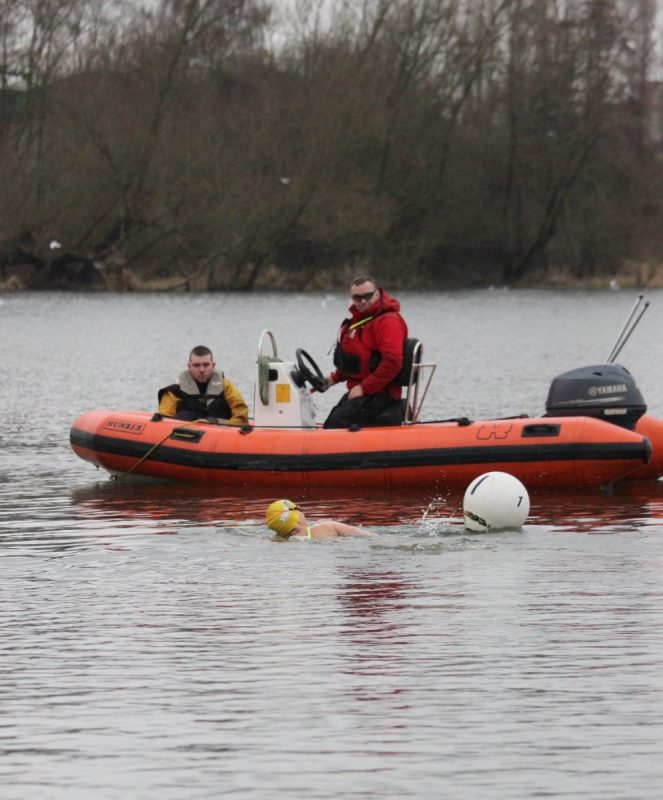
Winter sessions at Harthill Reservoir are fully supervised:
- Spotters
- Safety boats
- Controlled entry and exit points
Never swim alone in winter conditions.
Warm Up Gradually
Afterdrop is real, so focus on:
- Getting dry fast
- Layering up
- Moving gently
- Eating or drinking something warm
Avoid immediate hot showers until you’ve stabilised.
Why Harthill Reservoir Is a Fantastic Place for Winter Swim Training
Swimming with YOS at Harthill means:
- A friendly, supportive atmosphere
- Like-minded cold-water swimmers
- Regularly tested water quality with excellent results
- On-site café for post-swim hot drinks and treats
- Experienced volunteers and session leaders
- A safe, structured environment for newcomers and regulars
Whether you’re dipping for 2 minutes or swimming steady loops, you’ll feel supported at every stage.
Tips for First-Time Winter Swimmers
If you’re new to winter swimming:
- Start early in autumn, gradual cooling makes the transition easier.
- Don’t set distance goals. Time in water is the key metric.
- Always tell the team if you’re nervous or unsure, we’re here to help.
- Practice breathing control. Slow, steady breaths reduce shock.
- Don’t compare yourself to others. Everyone’s cold tolerance is personal.
Final Thoughts
Winter open water swimming at Harthill Reservoir is a powerful experience, invigorating, mindful, and community-focused. When done safely and consistently, it can transform both your physical health and your mental wellbeing.
If you’re ready to embrace the cold with Yorkshire Outdoor Swimmers, we’re here to support you every step (and stroke) of the way.
Stay safe, stay warm, and see you in the water!